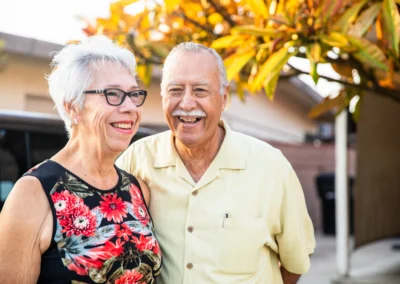
Solo aging is becoming increasingly common as more older adults plan for the future without relying on nearby family support. Whether single, widowed, child-free, or living far from loved ones, many seniors are choosing to take a more independent approach to retirement, housing, and long-term care planning.
At Windsor at Celebration, located in Celebration, Florida, older adults can enjoy a lifestyle that supports both independence and peace of mind through maintenance-free one-bedroom apartments, built-in social connections, and a more manageable way of living designed for aging confidently and comfortably.
What Is Solo Aging, and Why Is It on the Rise?
Solo aging refers to growing older without depending on traditional family caregiving support. Some solo agers may not have children, while others may have family members who live far away or are unable to provide regular assistance. Many older adults are also choosing to take a more independent approach to planning for the future.
Several societal changes are contributing to the rise in solo aging:
- Smaller family sizes
- Increased longevity
- More adults remaining single later in life
- Geographic distance between family members
- Greater focus on independence and personal choice
As a result, more seniors are proactively thinking about how they want to live, what support they may eventually need, and how to create stability as they age alone.
Planning ahead is one of the most important parts of solo aging. By making intentional decisions early, older adults can better maintain independence, reduce stress, and feel more prepared for future changes.

The Benefits of Solo Aging: Independence, Freedom, and Choice
While solo aging can require thoughtful planning, many older adults appreciate the independence and flexibility it provides.
Solo agers often have greater control over:
- Housing choices
- Financial decisions
- Daily routines
- Healthcare preferences
- Social activities and lifestyle priorities
This flexibility allows older adults to shape a lifestyle that reflects their personal goals and values. Solo aging can also encourage intentional living, helping seniors become more proactive about financial planning, healthcare decisions, and choosing environments that support long-term independence.
Challenges of Solo Aging and How to Plan Ahead
While solo aging offers independence and flexibility, it also requires proactive planning. Older adults aging independently often take a larger role in preparing for future care needs and building reliable support systems.
Common challenges may include:
- Social isolation in seniors: Staying socially engaged through friendships, activities, and community involvement supports emotional well-being and daily connection.
- Managing healthcare decisions: Solo agers are often responsible for organizing medical information, coordinating appointments, and preparing advance directives or emergency contacts.
- Planning for future care needs: Preparing early for potential support services, housing transitions, and healthcare expenses can help reduce stress later on.
Planning ahead allows solo agers to maintain greater confidence, stability, and control over future decisions.
Building a Strong Support Network and Community Connections
A strong support network is an important part of successful solo aging. Meaningful relationships and regular social connections can help older adults maintain confidence, purpose, and overall well-being.
Many solo agers intentionally build supportive circles that may include:
- Friends and neighbors
- Healthcare professionals
- Financial advisors
- Faith communities
- Senior living team members
- Social groups and organizations
Staying engaged through wellness programs, hobby groups, volunteer opportunities, and community events can help create a strong sense of connection and belonging.
Independent senior living communities often make social engagement easier by offering built-in opportunities for friendship, activities, and daily interaction in a welcoming environment.
Financial Planning Tips for Solo Agers
Financial planning is an important part of solo aging, helping older adults prepare for both current and future needs with greater confidence and stability.
Key considerations include:
- Organizing retirement income and savings to better understand long-term affordability
- Budgeting for future healthcare and long-term care costs before they become urgent
- Reviewing insurance coverage and estate planning documents regularly
- Working with trusted professionals such as financial advisors, elder care planners, or legal professionals
Long-term care planning is not only about preparing for future needs. It also helps support continued independence, security, and quality of life.
Housing Options for Solo Aging and the Benefits of Independent Senior Living
Housing plays an important role in solo aging and long-term care planning. Many older adults find that downsizing from a larger home to a one-bedroom senior apartment creates a simpler, more manageable lifestyle.
Benefits of downsizing may include:
- Reduced maintenance and upkeep
- Lower stress and easier home management
- Improved accessibility and safety
- Greater flexibility and freedom
One-bedroom apartments are often ideal for solo agers looking for comfort, convenience, and a space designed for independent senior living.
Independent senior living communities also provide benefits beyond housing itself, including:
- Maintenance-free living
- Dining and wellness programs
- Social activities and daily connection
- Transportation services
- Built-in support and community
For solo agers, living in a connected community can help reduce isolation while supporting an active and independent lifestyle. Choosing supportive housing early can also help older adults maintain independence while planning confidently for the future.

How to Create a Long-Term Care Plan When Aging Alone
Creating a long-term care plan helps solo agers prepare for the future with greater confidence and peace of mind.
A strong plan may include:
- Documenting healthcare preferences through advance directives and healthcare proxies
- Exploring future care options, such as in-home support, independent living, assisted living, memory care, or skilled nursing care
- Preparing for emergencies by organizing important documents and establishing trusted emergency contacts
- Reviewing plans regularly as healthcare, financial, and housing needs evolve over time
Long-term care planning helps support continued independence, stability, and informed decision-making throughout the aging process.
How Windsor at Celebration Supports Solo Aging Planning
Windsor at Celebration offers a lifestyle designed to support both independence today and long-term planning for the future. Maintenance-free one-bedroom apartments provide a comfortable, manageable space ideal for older adults looking to simplify daily life and downsize from a larger home.
Residents also enjoy opportunities for connection, wellness, and active retirement living through community amenities, social engagement, and supportive services that help reduce isolation and create greater peace of mind.
Planning ahead for solo aging starts with intentional choices that support independence, safety, and peace of mind. At Windsor at Celebration, older adults can explore a lifestyle designed for both independence and future planning. Contact us today to schedule a visit and see what your next chapter could look like.